HOME / BLOG
Aging in Place: Designing for Independence Without Sacrificing Style
Accessible design has evolved. Today's aging-in-place renovations are indistinguishable from high-end residential work — beautiful, functional, and built for the long term.
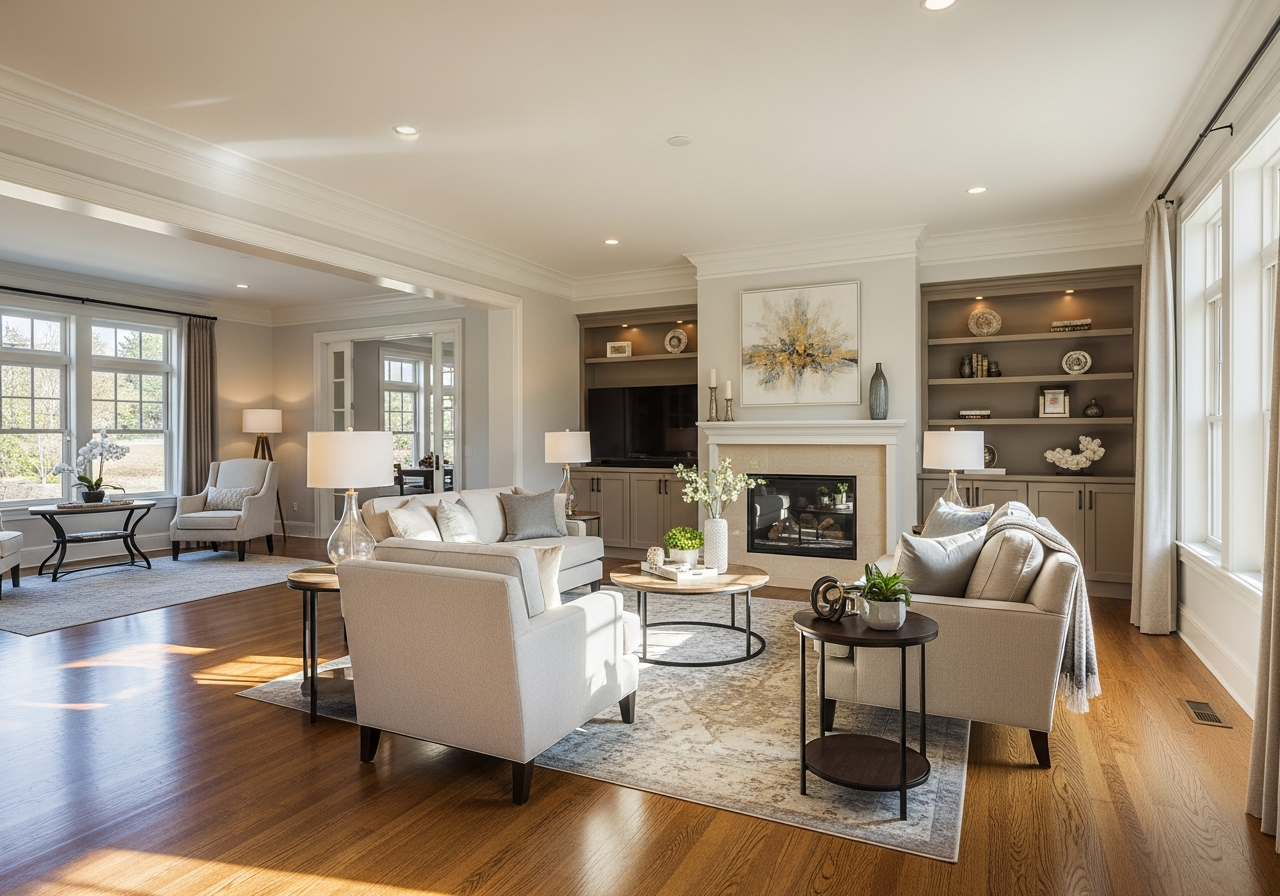
For most people, the goal isn't just to grow older — it's to grow older at home, surrounded by the comfort and memories they've built over a lifetime. Aging in place makes that possible, and thanks to how far accessible design has come, it no longer means trading beauty for function.
The old assumption was that accessibility looked clinical: grab bars that announced themselves, ramps that felt institutional, bathrooms that resembled hospitals. Today's best aging-in-place work rejects that entirely. Curbless showers, wider doorways, and reinforced walls can be integrated so seamlessly that guests never notice them — they simply experience a home that feels open, elegant, and easy to move through.
Good aging-in-place design is also anticipatory. By reinforcing walls for future grab bars, planning for step-free transitions, and choosing finishes that are both slip-resistant and beautiful, a renovation can support independence today while quietly preparing the home for whatever the years ahead may bring.
The details matter: lever handles instead of knobs, thoughtful lighting that reduces fall risk, comfortable-height fixtures, and layouts that work as well with a walker as without one. Done right, these choices enhance daily life for everyone in the household, not just those who need them most.
At E9 Development, our aging-in-place renovations prove that accessibility and luxury belong together. Beautiful, never clinical — we design homes that let people live safely, comfortably, and with dignity for the long term, without ever sacrificing the style that makes a house feel like home.
HAVE A PROJECT IN MIND?
E9 Development offers complimentary facility assessments and initial consultations for all project types.